
Introduction
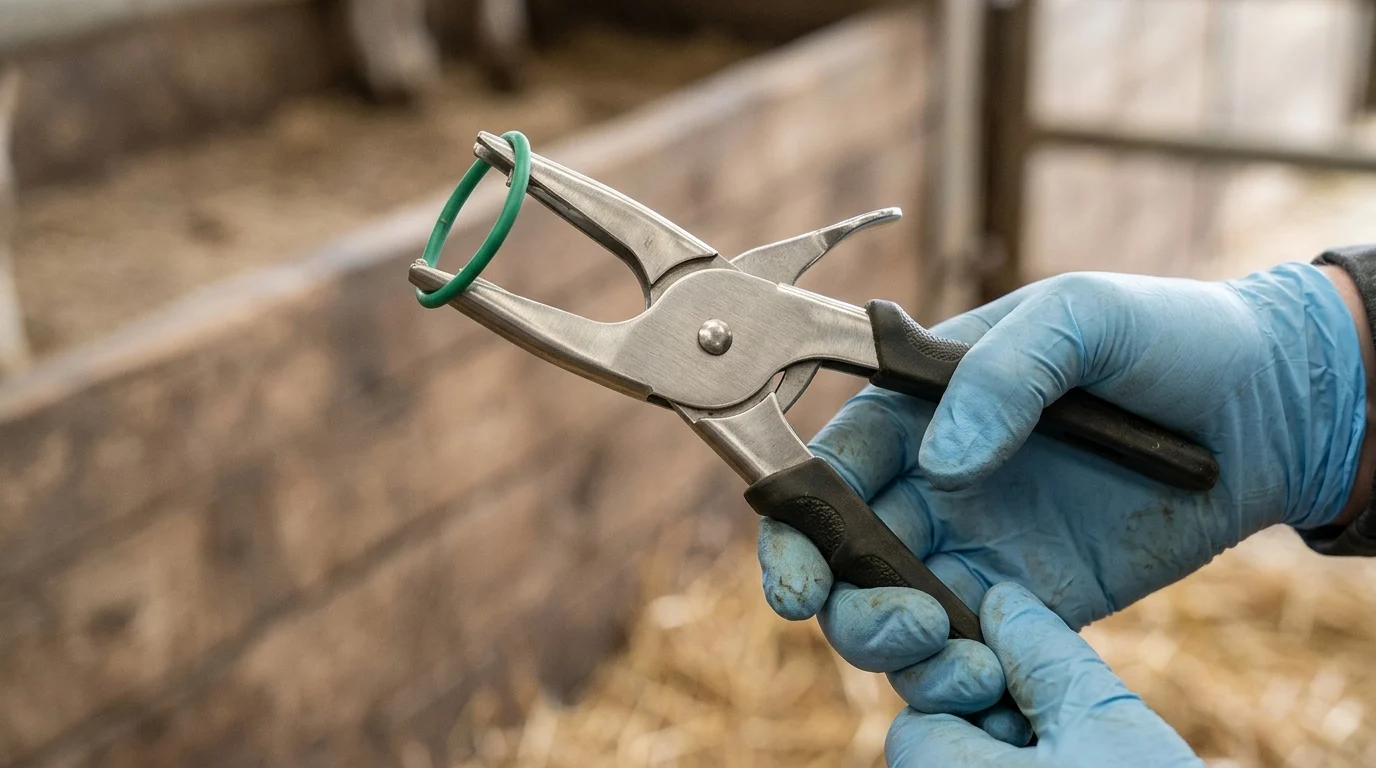
Processing livestock with elastration can look simple, but the tool in the operator’s hand affects speed, fatigue, placement accuracy, and animal outcomes. A well-designed castrating band applicator helps crews apply consistent pressure and positioning while reducing the strain that builds up during long chute or pen sessions. This article explains why ergonomics matter, how applicator design influences workflow and welfare, and what farms should consider when comparing traditional pliers with newer models. By understanding the connection between tool choice, operator comfort, and proper procedure, producers can make more informed decisions before the next processing day.
Why Farms Should Reassess Castrating Band Applicators
I’ve spent enough time working cattle chutes and sheep pens to know that processing day is grueling. When you’re staring down a large pen of 200 to 500 head, every repetitive motion takes a toll on your crew. Upgrading your equipment isn’t just about throwing money at a problem; it’s about finding that sweet spot between operational efficiency and animal welfare.
If we want to keep complication rates below the industry benchmark of 1% to 2% and operators healthy, we need to carefully evaluate the tools we use. While old-school metal pliers get the job done, modern engineering offers options that better support both worker ergonomics and animal care.
How Band Applicators Work
We all know the drill with elastration: you stretch a heavy latex ring, place it over the scrotum, and release. It cuts off the blood supply, and tissue necrosis naturally sets in over a typical 3 to 6 week period. It’s a bloodless method that minimizes open-wound infection risks, which is exactly why many prefer it over surgical cutting. However, this procedure must be paired with proper veterinary protocols, including administering tetanus prophylaxis and appropriate pain management (such as NSAIDs or local anesthesia) to ensure animal welfare.
The simplicity of the method also hides the physical demand of the process. Stretching a thick 5mm latex ring to a 40mm to 50mm opening requires significant mechanical advantage. If the applicator doesn’t open the band evenly or hold it steady, you risk misplacement. Precision is everything—catching a teat or missing a testicle turns a routine procedure into a serious complication requiring a veterinarian.
How Ergonomic Tools Reduce Crew Fatigue
Using a standard, unoptimized metal plier on hundreds of animals (often 200+ per shift) means your forearms are exhausted quickly. The grip force required to stretch a standard band demands upwards of 30 to 40 pounds of pressure per squeeze. Multiply that by a large herd or flock, and you risk repetitive strain injuries.
This is where an ergonomic castrating tool changes the game. By shifting the fulcrum point and optimizing the handle leverage, newer designs noticeably reduce hand strain by 20% to 30%. Less fatigue translates directly to fewer mistakes at the end of a long shift. When your hands aren’t cramping, you have the patience and dexterity to ensure the band is placed perfectly every time.
Key Features to Compare Before Buying
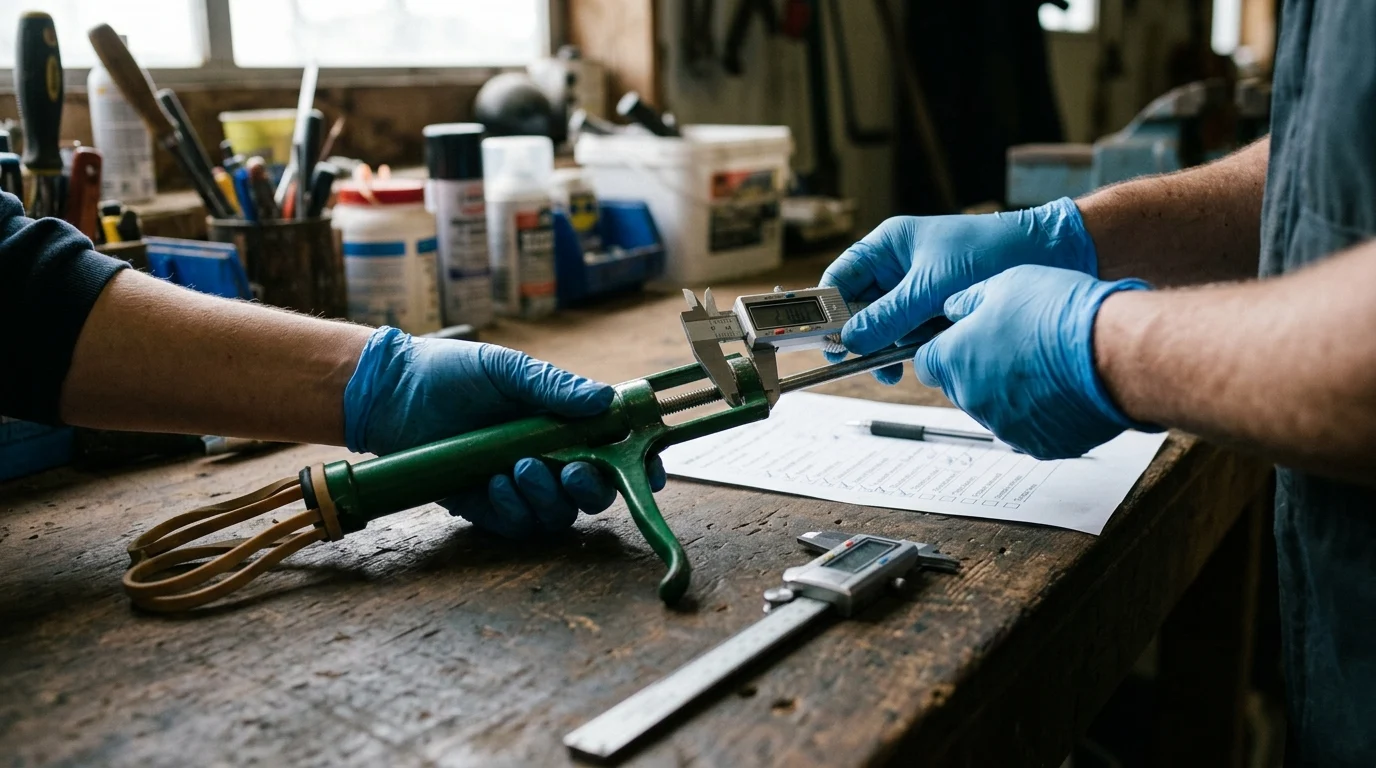
When upgrading processing gear, don’t just grab the cheapest option off the shelf. We need to look closely at the mechanics and materials. A tool that fails halfway through a batch of calves is worse than useless.
The difference between a throwaway plier and an investment-grade tool comes down to longevity—lasting for years of heavy use (5,000+ cycles) versus breaking after a single season (under 500 cycles)—and how the tool interfaces with both the operator and the animal.
Grip Design and Operator Control
Traditional veterinary castration pliers usually feature straight, bare metal handles that dig painfully into your palms when you apply pressure. If you’ve ever used them with wet or gloved hands, you know how easily they slip. Look for contoured, non-slip grips made of high-density rubber or textured composites.
An optimized grip span prevents over-extension of the fingers before you even start your squeeze. Better control means a smoother, safer application for the animal. Here is a quick breakdown of how standard and ergonomic models stack up against each other:
| Feature | Standard Applicator | Ergonomic Applicator |
|---|---|---|
| Handle Material | Bare cast aluminum or steel | Textured rubber/composite |
| Grip Span | Wide (typically 6–7 inches) | Optimized (4–5 inches) |
| Squeeze Force | High resistance (35+ lbs) | Leverage-assisted (20–25 lbs) |
| Expected Lifespan | ~500 to 1,000 cycles | 5,000+ cycles |
Standard, Heavy-Duty, and Calf Bander Options
You obviously can’t use a lightweight lamb bander on a larger calf, and it is vital to observe legal age restrictions and species-specific welfare standards for banding. Standard rings generally open just enough for young lambs or kids (typically 1 to 7 days old, under 15 lbs), making a standard goat castrating applicator sufficient. These tools are spring-loaded and operate with a simple single-hand squeeze.
Heavy-duty calf banders are a different beast. These need to stretch much thicker latex bands to accommodate older calves (often up to 250–300 lbs), though surgical castration is often recommended or legally required past a certain age (for example, the UK mandates veterinary intervention for calves over 7 days old when using rubber rings). Because the band tension is immense, these heavy-duty tools often feature a ratcheting mechanism or a T-handle pull system. This allows you to lock the band in the open position, completely removing the hand-strength variable while you safely position the animal.
How to Choose and Implement the Right Tool
Getting the right equipment in the hands of your crew is really only half the battle. We also need to talk about how we implement these tools in the field.
If we want to keep complication and infection rates below the 1% threshold, standardizing our chute-side protocols is just as important as the hardware we buy.
Steps to Reduce Misplacement, Slippage, and Sanitation Risks
Sanitation is absolutely non-negotiable. Even though banding is bloodless, the tool touches the animal in a sensitive area. Keeping your animal welfare elastrator soaking in a veterinary-approved disinfectant (like chlorhexidine) for 30 to 60 seconds between uses takes minimal time but prevents cross-contamination.
Misplacement usually happens when the operator’s hands are tired or the tool slips at the last second.
Key Takeaways
- The most important conclusions and rationale for castrating band applicator
- Specs, compliance, and risk checks worth validating before you commit
- Practical next steps and caveats readers can apply immediately
Frequently Asked Questions
What is a castrating band applicator used for?
It stretches and places a latex band around the scrotum to stop blood flow, allowing tissue to dry and fall off over time. It should be used with proper pain control, tetanus protection, and species-appropriate protocols.
How does an ergonomic castrating band applicator reduce farm labor?
Ergonomic designs use better leverage, shorter grip spans, and non-slip handles to reduce squeeze force. This helps crews process large groups with less hand fatigue and fewer placement errors.
What features should I compare before buying a band applicator?
Check handle grip, opening size, squeeze force, material strength, band compatibility, and expected service life. For heavy use, choose a durable applicator rated for thousands of cycles.
Can one band applicator be used for lambs, goats, and calves?
Not always. Smaller applicators suit lambs and kids, while calves may need a heavy-duty or calf bander. Always match the tool and band size to the animal’s age, size, and local welfare rules.
Why is correct band placement important for animal welfare?
Poor placement can miss a testicle, catch a teat, or cause unnecessary pain and complications. Secure restraint, clear visibility, and a steady applicator help ensure safe, accurate placement.
References
- Castration Ring Applicator – Metal & Plastic Construction Designed …
- The Use of Lidocaine-Infused Castration Bands to Castrate Beef …
- Revolutionize Your Livestock Practices with Our Premium Rubber …
- Lidobands Castration Bands – PBS Animal Health
- [PDF] Innovative approaches to castration pain management
- Standard Nickel-Plated Castrating Band Applicator
- The Use of Lidocaine-Infused Castration Bands to … – MDPI
- Amazon.com : Anenog Livestock Castration Bands 2Set Animal …
- Ergonomics: Reducing the wear and tear on our bodies
- Upgrade Your Livestock Care with Premium Veterinary Instruments …
Post time: Jun-15-2026