
Introduction
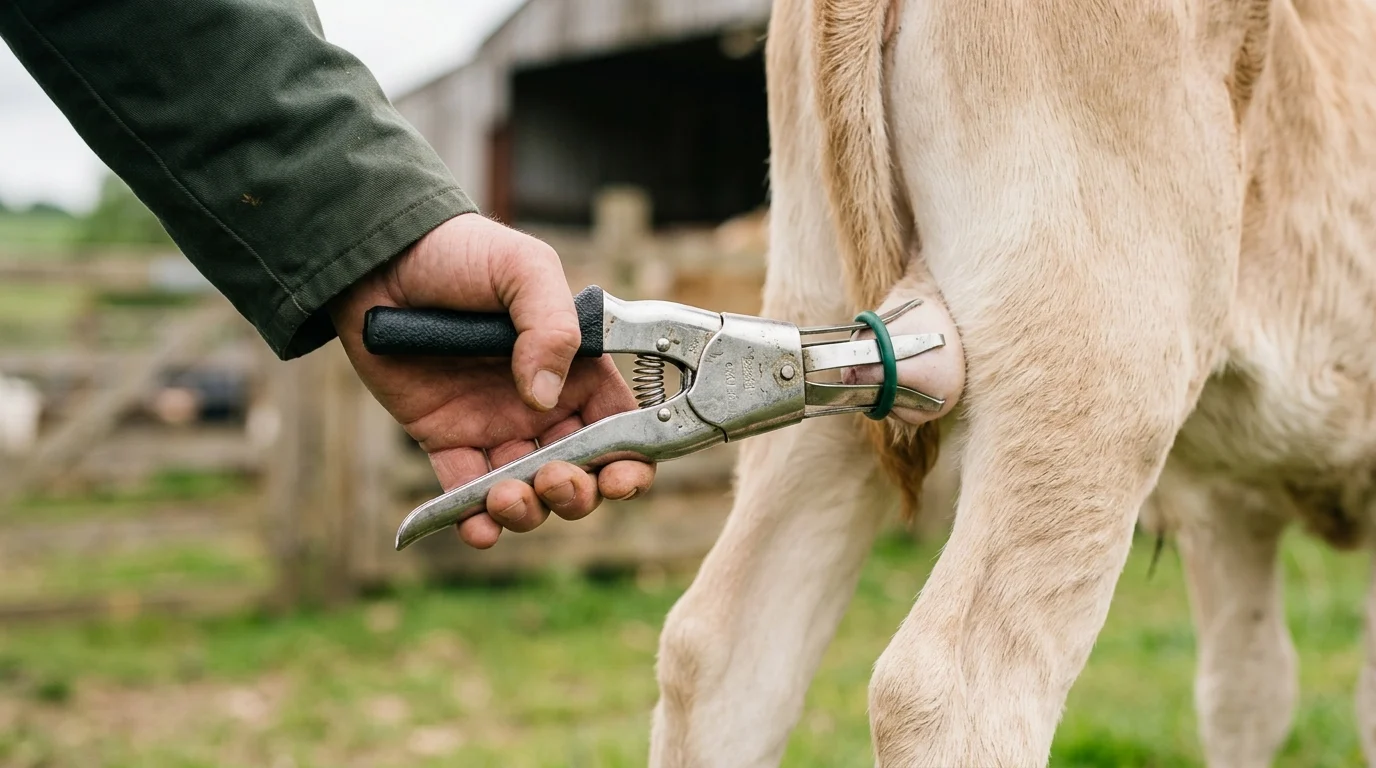
On large sheep operations, a castrating band applicator is not a minor hand tool; it directly affects lamb welfare, crew efficiency, and the reliability of high-volume processing days. Poorly built applicators can slip, bend, overstretch bands, slow handlers, and increase the risk of incomplete placement or avoidable stress. This guide explains what separates a high-quality applicator from a disposable-looking alternative, focusing on tension consistency, jaw design, material strength, hygiene, operator comfort, and compatibility with standard livestock bands. By understanding these selection points, farm managers and buyers can choose equipment that supports safer procedures, smoother workflows, and more predictable results across hundreds or thousands of lambs.
Why a Castrating Band Applicator Is a Production-Risk Decision
When running a commercial sheep farm with 500 to 5,000 lambs hitting the ground each spring, tail docking and castration are high-stakes production processes. Relying on substandard banding tools can easily derail a processing day.
In the lambing jugs or claiming pens, time is of the essence. Modern livestock handling protocols generally recommend processing lambs between 24 hours and 7 days (168 hours) of age, often requiring the administration of appropriate analgesics or local anesthetics to comply with regional animal welfare regulations. Additionally, administering tetanus prophylaxis is a critical safety caveat during this window. The last thing an operator needs is a tool that complicates these strict pain-management and handling protocols.
How to Define a High-Quality Applicator
Defining a reliable commercial option comes down to consistent tension, uncompromising material integrity, and biosecurity compatibility. A dependable applicator must comfortably stretch a standard 15mm high-tensile latex band wide enough (typically 50mm to 65mm) to ensure both testicles can be safely and easily positioned below the band, all without snapping the rubber or bending the applicator pins under pressure.
Tools constructed from die-cast aluminum or 304-grade drop-forged stainless steel are highly recommended. These materials resist corrosion from blood, lanolin, and frequent exposure to the harsh chemical disinfectants required for cleaning between animals. Flimsy, stamped-metal alternatives often warp after moderate use; once the metal fatigues, the alignment is thrown off, increasing the risk of injury to the animal and tool failure rates.
Where Applicator Failures Create Hidden Labor Costs
The primary danger of a subpar applicator is the hidden labor and production loss. If an applicator jams, slips, or drops bands on even a small percentage of a flock, labor costs escalate.
Processing a batch of 2,000 lambs with a 5% failure rate means wrestling 100 extra lambs, wasting an estimated 3 to 5 hours of valuable time, and subjecting the animals to unnecessary secondary stress. Furthermore, a poorly applied band can lead to incomplete castration or severe site infections. If these complications occur, they can cause a noticeable 10% to 15% drop in average daily gain (ADG)—often pushing growth rates below the target 0.6 lbs/day—for affected animals, which translates to potential financial losses over the lifecycle of the flock.
Key Specifications to Compare Before Buying
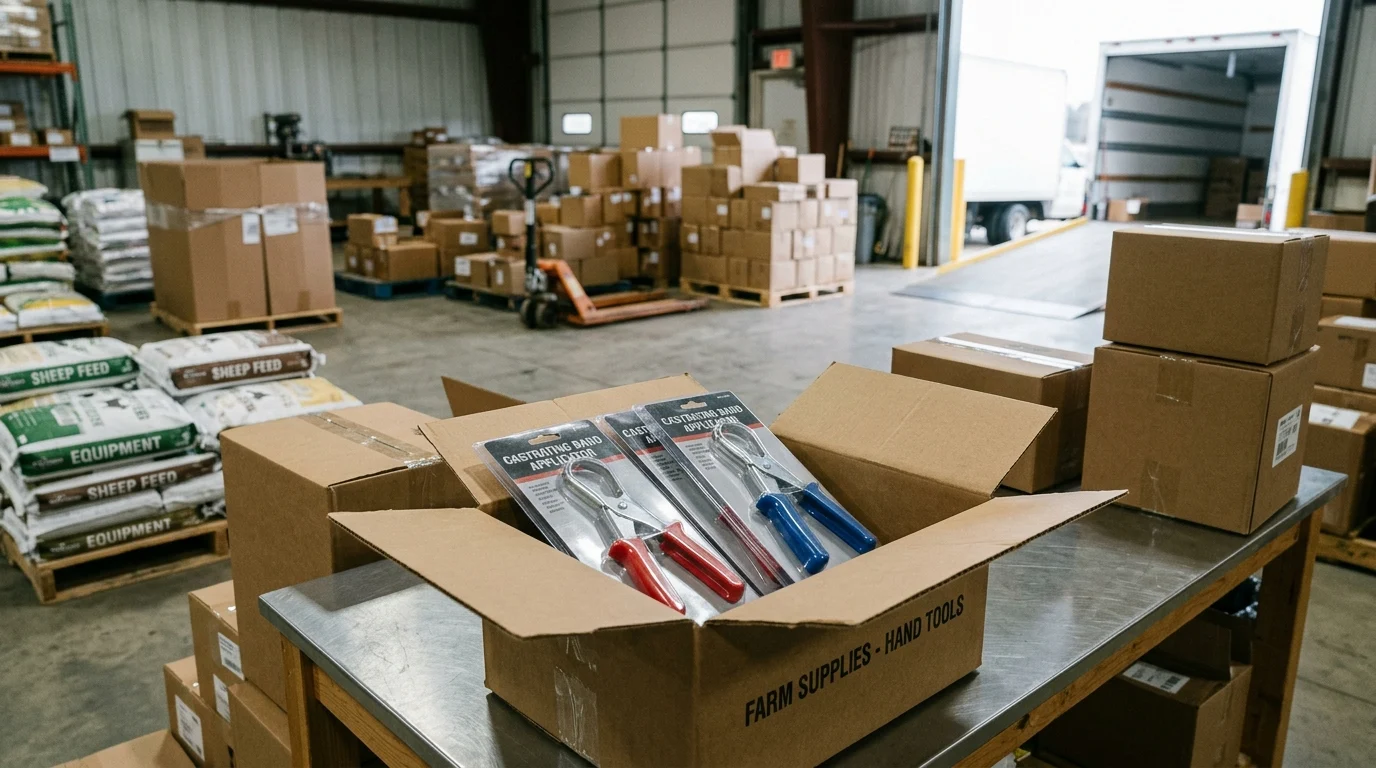
Sorting professional gear from hobbyist equipment requires looking past marketing claims. When evaluating supplier guidelines, it is critical to focus on hard mechanical specifications. Because farm tools are constantly exposed to lanolin, mud, and blood, ergonomics, mechanical reliability, and ease of sanitation are paramount.
What a Side-by-Side Comparison Table Should Cover
To make an objective decision, a side-by-side comparison of standard applicators versus heavy-duty commercial models is useful:
| Specification | Standard Applicator | Heavy-Duty Applicator |
|---|---|---|
| Core Material | Plastic or Stamped Steel | 304 Stainless / Drop-forged Aluminum |
| Max Band Spread | 30mm – 40mm | 50mm – 65mm |
| Spring Tension | 10 – 15 lbs of force | 25 – 30 lbs of force |
| Expected Lifespan | 1–2 seasons (<1,000 cycles) | 5+ years (10,000+ cycles) |
| Tool Weight | 150g – 200g | 300g – 450g |
| Grip Type | Bare metal / Hard plastic | Non-slip rubberized coating |
The heavy-duty option vastly outpaces the standard model in durability, tension, and spread capacity. That extra 15mm to 25mm of spread capacity is critical when dealing with older, larger ram lambs that fall outside the initial processing window.
How Heavy-Duty Applicator Designs Differ
A true commercial-grade applicator typically features a precision four-prong design that opens the band into a perfect 50mm x 50mm square rather than a tight, unpredictable triangle. This geometry significantly reduces the risk of the band rolling off the prongs prematurely during positioning.
Furthermore, the pivot point on the handle is a crucial engineering detail. A pivot point positioned 1.5 to 2 inches closer to the prongs provides up to a 30% mechanical advantage. When banding hundreds of lambs in a single, fast-paced shift, this mechanical advantage—combined with a non-slip grip—reduces operator fatigue and prevents severe hand cramps.
How to Choose the Right Supplier
Sourcing reliable veterinary instruments requires partnering with a supplier who genuinely understands the grueling demands of commercial agriculture. Vendors who fail to provide support when a batch of tools arrives with misaligned prongs pose a risk to farm operations. As a general industry best practice, commercial producers (often dealing with Minimum Order Quantities of 50–100 units and 3–4 week lead times) need a reliable partner with robust quality assurance, not just a transactional seller.
How to Test Samples and Verify Quality
Before committing to a bulk order of equipment, it is advisable to test physical samples from the manufacturer. A strict quality control protocol involves running 50 to 100 bands through the sample applicator in rapid succession (10–15 cycles per minute) to simulate field conditions.
Pin alignment must be checked meticulously before and after the test; if the pins are misaligned by even 1mm to 2mm, the bands will slip under pressure. Next, evaluate the closing action. The jaws should snap back to a closed position instantly. If the internal spring feels sluggish, binds up, or fails to close completely after continuous stretching, the batch should be rejected. Testing upfront is a standard best practice that prevents equipment failure and keeps defect rates below the acceptable 1% threshold during a massive processing day.
Which Criteria Should Guide the Final Decision
Once the samples pass initial testing, the final purchasing decision should be guided by a combination of warranty terms (ideally 12 to 24 months), replacement part availability (shipping within 48–72 hours), and compliance with industry standards.
Key Takeaways
- The most important conclusions and rationale for castrating band applicator
- Specs, compliance, and risk checks worth validating before you commit
- Practical next steps and caveats readers can apply immediately
Frequently Asked Questions
What material is best for a commercial castrating band applicator?
Choose 304 stainless steel or drop-forged aluminum. These materials resist corrosion from blood, lanolin, disinfectants, and repeated washing, making them suitable for large-scale sheep processing.
How wide should a high-quality applicator spread the band?
A commercial applicator should spread a standard 15mm latex band to about 50mm–65mm, giving enough room to position both testicles safely and reduce band slippage.
Why do cheap castrating band applicators increase labor costs?
Low-quality tools may jam, bend, or drop bands. Even a 5% failure rate in 2,000 lambs can mean rehandling 100 animals and losing several hours.
What grip design is best for processing hundreds of lambs?
Use a non-slip rubberized grip with strong spring tension. It improves control in wet or dirty conditions and reduces hand fatigue during long processing shifts.
When should lambs usually be processed with a band applicator?
Many farms process lambs between 24 hours and 7 days old, while following local welfare rules for pain relief, tetanus prevention, and safe handling.
References
- How to Castrate a Lamb or Goat! – YouTube
- Who can help with elastrator band lamb castration in Bolton? – Facebook
- Castrating Instruments | Banding & Emasculator – Valley Vet Supply
- Docking and castrating – Sheep 201
- Livestock Castration Tool For Farmers & Ranchers Label Applicator
- Efficacy of a Lidocaine-Impregnated Elastrator Band for Castration and …
- What is this tool : r/Tools – Reddit
- Are there special sized bands for sheep for wethering ram lambs?
- [PDF] Castration of Sheep | A Greener World
- Large/Deluxe Aluminum Castrating Band Applicator
Post time: Jun-15-2026