
As a veterinary operations consultant managing health protocols across industrial-scale livestock facilities, I am frequently asked a decisive operational question during annual procurement cycles: Should we equip our teams with disposable single-use syringes or invest in continuous-use reusable injection systems?
In large-scale farming—where herd sizes often reach thousands of cattle, swine, or poultry—the choice of your primary Veterinary Syringe directly impacts operational speed, biosecurity protocols, per-dose administration cost, and waste management compliance.
Below, I break down the practical, economic, and biosecurity factors of both systems to help farm managers, procurement officers, and livestock professionals make the most cost-effective choice for their operations.
1. Biosecurity and Disease Control: The Zero-Cross-Contamination Dilemma
When treating or vaccinating thousands of head of livestock, cross-contamination is the single greatest risk to herd health.
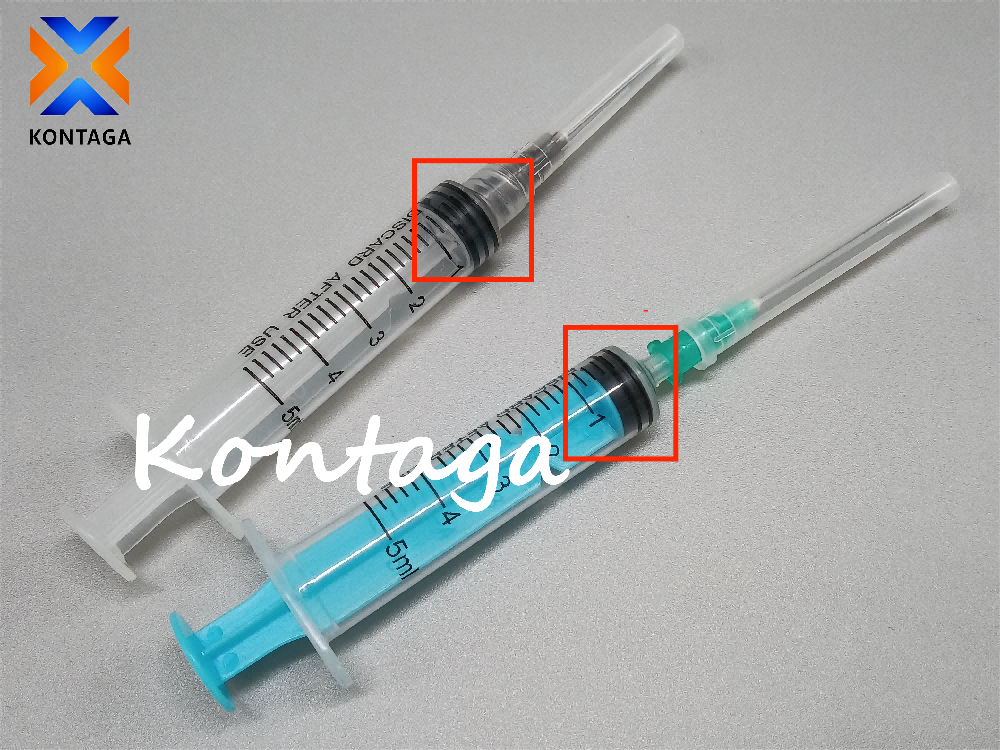
Single-Use Syringes: Disposable units provide a clear biosecurity advantage when treating infected or high-risk animals. Using a fresh syringe and needle per animal eliminates the risk of transmitting blood-borne pathogens (such as PRRS in swine or BVD in cattle) between individual stock.
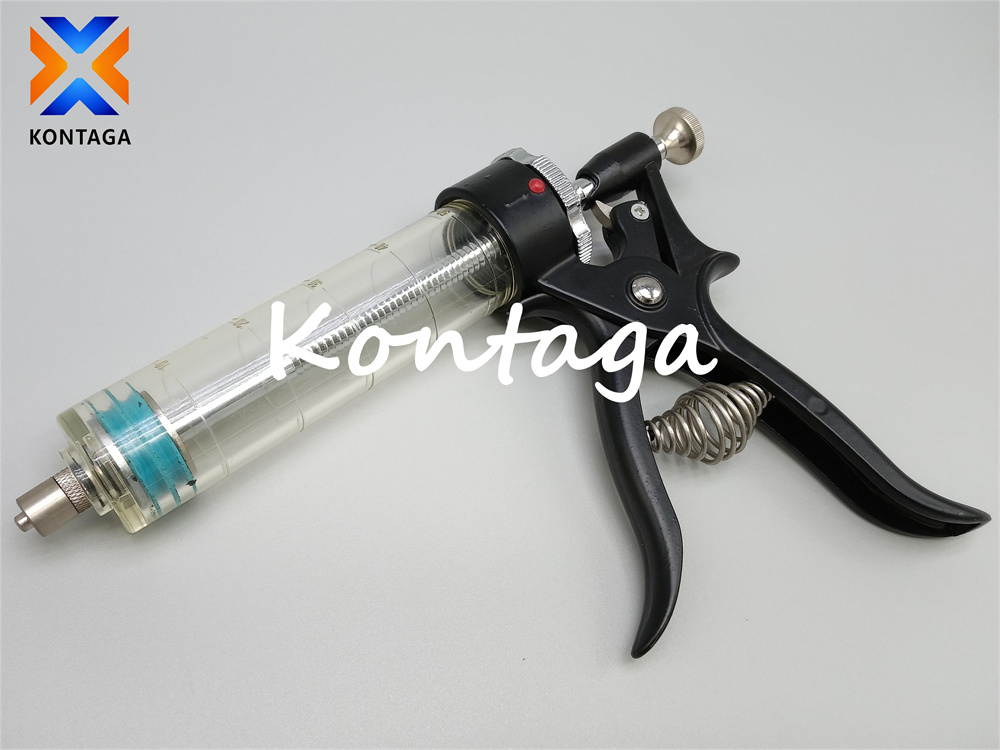
Reusable Veterinary Injection Systems: Standard manual reusable equipment requires strict heat sterilization or chemical disinfection between uses. However, for mass vaccination of healthy herds, modern continuous-dosing units—such as an Automatic Veterinary Syringe connected to a draw-off tube—allow high-speed administration without exposing the master medication bottle to external contaminants.
My Operational Take: For routine, herd-wide prophylactic treatments (e.g., scheduled vaccinations), a properly maintained continuous-flow system is standard practice. For targeted treatment of sick pens or quarantine zones, single-use disposables remain non-negotiable.
2. Operational Speed and Efficiency in High-Volume Operations
When working against labor shortages and tight handling schedules, processing speed per animal is a critical key performance indicator.
A standard single-use Farm Medication Syringe requires manual reloading after every single dose or short series. In contrast, an advanced High-Capacity Veterinary Syringe or continuous-draw injector allows farm technicians to administer precise doses back-to-back without stopping to refill.
In my field audits, processing a batch of 1,000 calves with single-use units took approximately 35% longer due to unpacking, drawing medication, and disposing of packaging, compared to teams equipped with automatic continuous-feed injectors.
3. Financial Analysis: Unit Cost vs. Total Cost of Ownership
From a farm budgeting perspective, evaluating initial purchase price versus long-term operational cost is vital.
Single-Use Disposable Syringes
-
Upfront Cost: Low initial capital outlay per unit.
-
Hidden Costs: High volume inventory storage, recurring shipping costs, and hazardous medical waste disposal fees.
-
Best Used For: Small herds, field diagnostics, administration of controlled substances, and isolated antibiotic treatments.

Reusable & Automatic Injectors
-
Upfront Cost: Higher initial investment per injector body.
-
Long-Term Savings: A premium-grade Reusable Veterinary Injector manufactured from medical-grade aluminum or heavy-duty polymers can sustain over 100,000 cycles with proper maintenance. Replacement seal kits cost a fraction of recurring disposable orders.
For a farm administering over 50,000 doses annually, transitioning to durable automatic injectors yields a full return on investment (ROI) within 3 to 6 months through reduced labor hours and decreased packaging waste.
4. Precision Dosing and Waste Mitigation
Inaccurate dosing leads to two expensive outcomes: under-dosing (leading to vaccine failure or treatment resistance) and over-dosing (wasting expensive biologics).
Single-use manual syringes are subject to human error and thumb fatigue over extended hours. High-end continuous-draw devices feature precise, locking dose dials (adjustable from 0.5 mL to 5 mL or higher) that lock in exact dosages. This mechanical precision ensures that every animal receives the exact intended volume, minimizing medication waste across large batches.
Practical Procurement Recommendations
Based on years of field deployment, I advise farm operations to adopt a hybrid equipment strategy:
-
Mass Vaccination & Prophylaxis: Routine herd-wide vaccinations should rely on heavy-duty Automatic Veterinary Syringes equipped with durable, autoclavable components and ergonomic grips to prevent operator fatigue.
-
Targeted Antibiotic & Critical Care: Maintain a dedicated inventory of sterile, single-use syringes for individual sick-bay treatments, diagnostic blood draws, and sensitive pharmacological applications.
Frequently Asked Questions (FAQ)
Q1: How often should a Reusable Veterinary Injector be calibrated and serviced?
Answer: I recommend inspecting O-rings, valves, and dosage locks before every major vaccination campaign, or at least once per month during routine farm use. Seal kits should be replaced after every 10,000 to 20,000 doses depending on the viscosity of the medication used.
Q2: What is the best method for sterilizing automatic injectors between herd deployments?
Answer: Completely disassemble the injector according to the manufacturer’s guidelines. Boil or steam-autoclave all heat-resistant metal and glass components. Avoid using harsh chemical detergents that can degrade interior rubber seals or leave residues harmful to live vaccines.
Q3: Are continuous-draw automatic syringes suitable for thick or oil-based vaccines?
Answer: Yes, provided you select a heavy-duty continuous injector specifically engineered for high viscosity. Look for reinforced springs, larger internal fluid pathways, and high-tensile metal pistons designed to handle dense oil-adjuvanted vaccines without operator hand strain.
Q4: How do high-capacity syringes help reduce labor costs on large-scale farms?
Answer: High-capacity and bottle-mount injectors eliminate the continuous need to stop, draw fluid manually from a vial, and purge air bubbles. This streamlines handling-chute throughput, allowing smaller teams to process significantly more animals per hour.
Q5: Should farm equipment buyers source metal-barrel or high-strength plastic injectors?
Answer: For intensive commercial environments (such as cattle feedlots or swine facilities), heavy-duty chrome-plated brass or aluminum-alloy bodies offer superior impact resistance against animal kicks. High-strength polycarbonate or polymer bodies are excellent lightweight alternatives for poultry operations and lighter livestock handling.
Post time: Aug-05-2026